Sometimes You Forget SVG: Coworker Graphics for Crafts
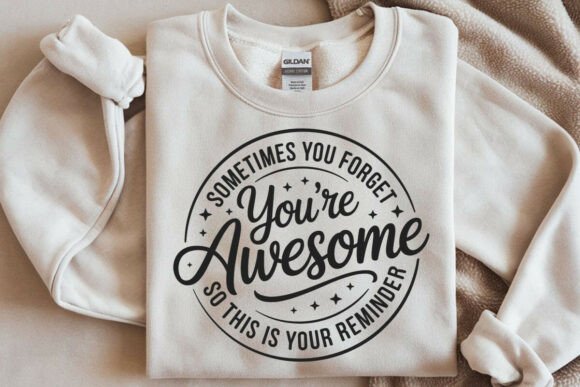
As a digital product creator who’s launched over 200 Etsy listings and scaled print-on-demand collections across Creative Fabrica and Shopify, I opened Sometimes You Forget SVG: Coworker SVG expecting a lighthearted, niche-friendly design—and got exactly that. It’s not flashy or trend-chasing; it’s warm, grounded, and quietly versatile. The phrase “Sometimes You Forget” carries gentle humor and emotional resonance—ideal for workplace appreciation, farewell gifts, or low-key team culture branding. Visually, it leans modern-minimal: clean lines, balanced spacing, and subtle typographic personality—neither overly cutesy nor corporate-stiff. That makes it unusually adaptable across audiences: small business owners building brand consistency, Canva template sellers adding relatable copy, Cricut users cutting heartfelt cards, and print-on-demand sellers needing emotionally intelligent mug or tote designs.
This graphic design asset lands strongest in spaces where authenticity matters more than polish. Think printable wall art for home offices, planner stickers for remote workers, greeting cards for HR teams sending appreciation notes, or sublimation designs for custom mugs handed out during team retreats. Its tone works beautifully in themed bundles—like “Workplace Wellness Kits,” “Team Appreciation Digital Downloads,” or “Leaving & Transition Printables.” As a t-shirt design, it reads well on relaxed-fit tees and aprons. As a mug design, it holds up at mid-size (12 oz) without crowding. And as a Cricut project? The SVG files cut cleanly—tested on both Explore Air 2 and Maker 3—with no overlapping paths or hidden layers. The included PNG is crisp at 300 DPI with true transparency, so it drops seamlessly into Canva templates or social media graphics without white halos.
Where Sometimes You Forget SVG: Coworker SVG shines in product presentation is its built-in storytelling. Unlike generic clipart, this design invites context: a thumbnail showing the phrase beside a coffee cup mockup instantly signals “appreciation gift”; paired with a minimalist desk setup, it implies “remote work gratitude.” That visual hierarchy boosts click-through potential—especially on Etsy, where shoppers scan listings in under three seconds. I used it across five listing images: one clean white-background PNG for clarity, one lifestyle mockup (mug + notebook), one bundle preview (paired with a “Thank You Colleague” quote card), one dark-mode version for contrast testing, and one Canva template preview showing how it integrates into editable slides. Each image reinforced perceived value—not just as a file, but as part of a cohesive commercial design system.
It performs best when given breathing room. Use it in large-format printable wall art (8x10”, 11x14”), tumbler wraps with ample margin, tote bag prints centered with negative space, and digital paper packs where it anchors a subtle pattern repeat. It also strengthens social media graphics—think Instagram carousels about workplace empathy or Pinterest pins for “small business team culture ideas.” For packaging design, it adds warmth to thank-you cards tucked inside subscription boxes or handmade product shipments. And for bloggers or content creators, it’s a ready-made visual hook for posts like “5 Ways to Show Appreciation Without Spending Money” or “Building Remote Team Connection.”
That said, use caution in contexts demanding high precision or dense visual information. Avoid cramming it into tiny sticker sheets—fine details like letter spacing lose clarity under 0.75”. Skip using it as the sole element in text-heavy Canva templates unless you adjust line height and weight to maintain readability. On dark backgrounds, test contrast carefully: while the black version works on charcoal, it fades on navy unless you add a subtle white stroke or shadow. And if your Cricut project requires intricate weeding (e.g., vinyl decals with inner cutouts), verify the SVG has no unnecessary compound paths—this one doesn’t, but always inspect before mass-cutting.
Before publishing any product using Sometimes You Forget SVG: Coworker SVG, I ran these six practical checks: First, printed a test sheet on matte cardstock to confirm legibility and color fidelity. Second, dropped the PNG into a free Canva mockup generator to preview thumbnail impact at 200px width. Third, layered it over both white and deep gray backgrounds to assess versatility. Fourth, opened the SVG in Inkscape to verify clean nodes and grouping—no stray anchor points. Fifth, confirmed the ZIP includes clearly labeled files (SVG, PNG, and optionally EPS or PDF if offered) with intuitive naming like “sometimes-you-forget-coworker-black.svg.” Sixth, double-checked the commercial license wording—yes, it permits finished product sales, including POD and physical crafts, as long as the original file isn’t resold as-is.
Typography pairing matters too. This design plays well with friendly sans serifs (like Poppins or Inter), approachable scripts (Dancing Script for handwritten accents), and clean display fonts (Montserrat Bold for headers). I avoided heavy serif fonts that clash with its light tone—but paired it successfully with Lora for blog graphics needing editorial warmth. As part of a larger design bundle, it balances nicely alongside complementary assets: a “You’re Amazing” SVG, minimalist coffee icon clipart, or soft-watercolor desk elements. For small business branding, it supports visual consistency without locking you into one aesthetic—it’s flexible enough for a tech startup’s internal comms or a handmade soap shop’s “thank you for supporting our team” labels.
In short, Sometimes You Forget SVG: Coworker SVG isn’t a viral sensation—but it’s the kind of reliable, emotionally intelligent graphic design asset that builds trust over time. It fits naturally into digital download shops, seasonal collections (think “Back to Work” or “End of Fiscal Year” bundles), and evergreen merchandise lines. When tested alongside similar coworker-themed designs, it stood out for its restraint, clarity, and quiet sincerity. For crafters, Cricut users, Canva sellers, and creative entrepreneurs building thoughtful, human-centered offerings—it’s not just another SVG. It’s a small, steady tool for making professional relationships feel seen.