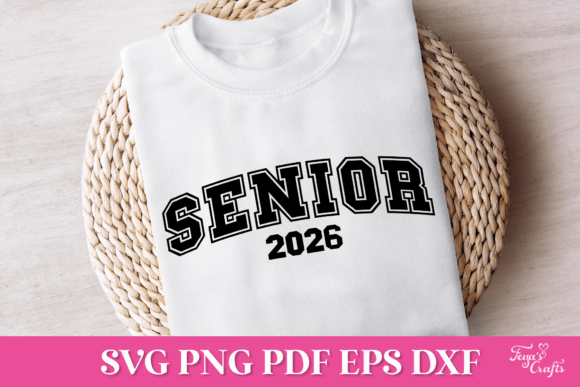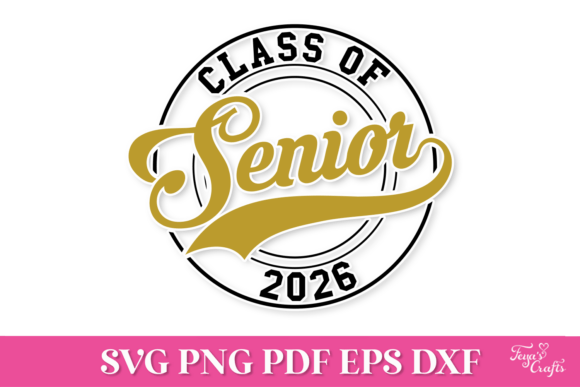
Senior Class of 2026 SVG: Graphics for Crafts & Graduation Projects
As a graphic designer who’s built brand identities for boutique schools, launched graduation-themed Etsy shops, and art-directed seasonal campaigns for local event planners, I opened Senior Class of 2026 SVG expecting something functional—but what landed in my workspace was unexpectedly evocative. It’s not just another cut file; it’s a mood-setter. The handcrafted curves, balanced negative space, and intentional weight distribution signal care—not algorithmic generation. It reads as warm, celebratory, and quietly confident: exactly the tone a senior year campaign needs when authenticity matters more than polish.
A First Impression That Sells the Story
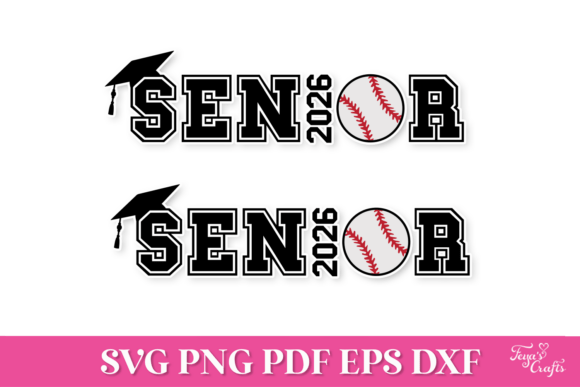
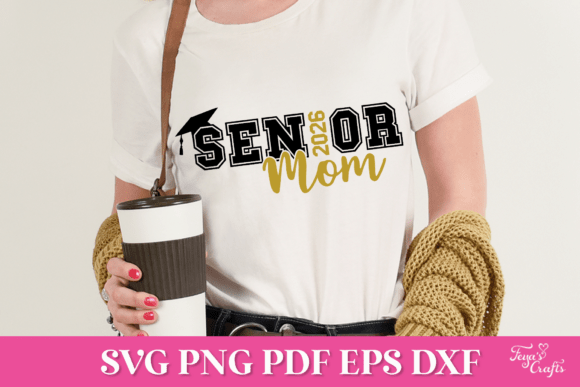
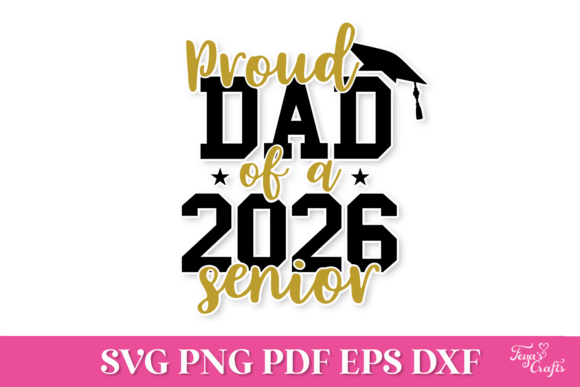
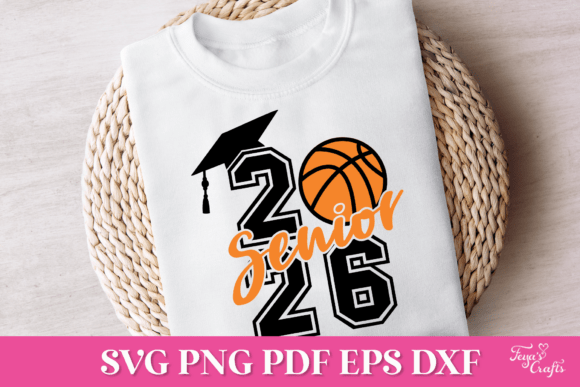
This graphic design asset opens with clean vector geometry—no stray anchor points or inconsistent stroke widths. The “2026” numerals carry subtle serif influence, while the “Senior Class of” line uses a refined script that leans elegant, not cursive-overload. There’s breathing room between elements, and the overall composition suggests hierarchy without shouting. For a client launching a handmade business around graduation keepsakes—think custom mugs, engraved keychains, or framed printable wall art—this Senior Class of 2026 SVG immediately elevates the perceived value. It doesn’t scream “clipart.” It whispers “designed.”
Where It Shines in Real Client Work
In practice, this Senior Class of 2026 SVG performs strongest where emotional resonance meets visual clarity:
- Product mockups—especially for t-shirt design, tote bags, and ceramic mugs—where its balanced proportions scale cleanly across fabric textures and curved surfaces;
- Social media graphics for school PTA accounts or local photographers: it anchors Instagram posts and Pinterest pins without competing with photos;
- Printable design suites—graduation invitations, ceremony programs, and thank-you cards—where its vector fidelity ensures crisp output at any size;
- Cricut projects and sublimation design workflows, thanks to clean paths and well-organized layers (if grouped logically in the file);
- Branding extensions for small business branding—used as a secondary mark alongside a primary logo on packaging design or website banners.
It also integrates smoothly into Canva templates, especially when paired with neutral sans-serif body text or soft watercolor backgrounds. As a sticker design or label element, it adds thematic cohesion without overwhelming product packaging.
Where to Use It With Intention
This Senior Class of 2026 SVG isn’t universal. It softens in impact—and risks visual clutter—when dropped into:
- Overly dense layouts, like multi-event flyers with tight deadlines or complex editorial spreads;
- Minimalist branding systems that rely on stark contrast and absolute simplicity;
- Corporate academic materials (e.g., university-wide commencement guides) where formal typography and institutional tone dominate;
- Small-scale applications under 0.75 inches wide—fine details in the script may blur or lose legibility on tiny enamel pins or embroidery;
- Low-contrast backgrounds (e.g., light gray on off-white), where its mid-weight strokes can recede instead of command attention.
If your client’s visual identity is built on geometric sans-serifs and monochrome palettes, this SVG design works best as a thematic accent—not a foundational element.
How It Shapes Perception & Engagement
Used thoughtfully, Senior Class of 2026 SVG strengthens visual hierarchy by anchoring a clear focal point in celebration-focused designs. Its warmth builds emotional appeal with students, families, and educators alike—critical for engagement in school marketing visuals or Etsy product listings. Because it’s handcrafted, it subtly signals craftsmanship, boosting visual trust for handmade businesses and creative marketplaces. And unlike generic clipart, it supports brand consistency when adapted across touchpoints—from digital ads to printed graduation announcements.
Designer Notes You Can’t Skip
Before locking it into a client deliverable, run these checks:
- Test it in black and white—does the script remain legible? Does the “2026” retain presence?
- Preview on both light and dark backgrounds. Adjust stroke weight or add subtle drop shadows if needed for contrast.
- Scale it down to 1 inch and up to 36 inches—verify no path distortion or unintended overlaps at extremes.
- Drop it onto real product mockups: a Cricut-cut vinyl sample, a mug sublimation preview, a sticker die-line.
- Check print quality on matte vs. glossy stock—some scripts bleed slightly on uncoated paper.
- Inspect the SVG file: Are layers named? Is the design grouped logically—or one flattened blob?
- If PNGs are included, verify transparency is clean (no fringe or anti-aliasing ghosts).
- Compare it against common font pairings: does it harmonize with your client’s existing serif, sans-serif, or handwritten fonts—or clash with their display type?
- Confirm commercial license coverage—especially for print-on-demand, Etsy product, or digital product use. Not all craft-oriented design assets include extended rights.
Looking for a design that inspires and stands out? This Senior Class of 2026 SVG delivers—but only when matched to the right project, audience, and execution. It’s not filler. It’s intention made vector.
Final Thought: A Strategic Creative Asset
This Senior Class of 2026 SVG belongs in your toolkit if you regularly produce marketing visuals for schools, create printable design collections, build brand identity for youth-centered services, or develop social media graphics for milestone moments. It bridges Crafts and Graphics with purpose—not decoration. When used with attention to context, contrast, and commercial licensing, it transforms from a simple cut file into a quiet differentiator: the kind of detail that makes clients say, “Yes—that feels *right*.”